

Discover Your Ideal Career Path: How Physiognomy.ai Maps Big Five Traits to the RIASEC Model
At Physiognomy.ai, we believe that personal growth and career success are deeply connected. By understanding your personality traits through the Big Five (OCEAN) model, we can offer insights not only into your inner world but also into your professional life. That’s why we’ve taken our analysis a step further, using AI to map the Big Five traits to the RIASEC model — a proven framework for career guidance. This innovative approach allows us to provide personalized career recommendations based on your unique personality profile.

Emotional sickness often builds silently through stress, overthinking, and unspoken feelings. This article explains why it happens, offers practical steps to heal, and reveals how your facial features — from the eyes to the chin — expose emotional imbalance. Discover how physiognomy.ai helps you regain clarity and emotional strength.

Do you often feel no energy or drive to push yourself? Physiognomy shows that certain facial features — like droopy eyes, weak jawline, or a blocked Yintang — reflect low motivation. This blog explains the hidden signals behind your lack of drive and how physiognomy can help reignite your energy.

Do you constantly feel guilty, even when you shouldn't? Explore how your facial features might be revealing deep emotional patterns — and discover practical, face-based solutions to free yourself from the weight of guilt.

Resentment doesn’t just weigh on your heart—it leaves visible marks on your face. Discover how features like tight eyebrows, tense jaws, and deep frown lines reveal long-held grudges. Learn practical steps to release emotional tension, improve your mental health, and soften your facial expression for a more peaceful life.

Do you struggle to regain emotional balance after being upset? Your face might be the key. Explore how physiognomy reveals your emotional blueprint—and how to recover faster.

Beating cancer is a major victory, but staying healthy is an ongoing journey. Discover practical strategies to maintain your well-being, and learn how physiognomy can reveal valuable insights through your facial features.

Overthinking can be exhausting, but relief is possible. Discover practical ways to break the cycle and learn how your facial features may reveal insights into your thought patterns. With AI-powered physiognomy, find personalized solutions to regain clarity and peace of mind.

Have trouble sleeping early, no matter how much you try? Your face might be revealing why. Discover practical solutions to fix your sleep routine and learn how facial analysis using Chinese and Western physiognomy can offer personalized insights for better rest.

Feeling easily provoked can create unnecessary tension and frustration in daily life. Whether it’s in your personal relationships or at work, you might find yourself reacting strongly to situations that others would brush off. Understanding why you’re so easily triggered is the first step to solving the problem. Often, these reactions stem from deeper emotional or psychological issues that, when addressed, can help you manage your emotions more effectively.

Depression is more than just feeling sad or going through a rough patch. It’s a serious mental health condition that affects how you think, feel, and handle daily activities. If you’ve been feeling persistently down, unmotivated, or disconnected, you might be dealing with depression. The good news is that there are practical steps you can take to begin managing your symptoms and working toward recovery.

Is work overshadowing your home life? Explore practical solutions to balance career and family, supported by unique physiognomy insights that reveal why this may happen and how to address it effectively.

Feeling compelled to display happiness at work while concealing your true emotions at home is a common dilemma many individuals face. This behaviour, often driven by societal expectations or professional pressures, can lead to emotional exhaustion, strained relationships, and a diminished sense of self. Understanding the underlying reasons for this disconnect and implementing practical strategies can help you achieve a more authentic and fulfilling emotional life both professionally and personally. Additionally, insights from physiognomy — the study of facial features — can offer a unique perspective on your emotional tendencies and how they influence your interactions and self-perception.

If you're feeling unhappy with your life, it’s essential to take intentional steps that lead to positive change. Unhappiness can arise from a variety of sources — strained relationships, career dissatisfaction, or a sense of being stuck. By focusing on strategies that create momentum and emotional balance, you can break free from these negative patterns and start building a more fulfilling life.

Forgetting someone — whether after a breakup, the end of a friendship, or the loss of a once-close relationship — can be one of life’s most difficult emotional challenges. The key to healing isn’t about erasing memories but learning to live without the weight of those emotions holding you back. Here’s how to take meaningful, specific steps to help you let go and regain control over your emotional well-being.

Losing your temper with family members can be a difficult habit to break, but there are practical steps you can take to regain control over your emotions and improve your family relationships. Instead of letting frustration and anger build up, it’s important to adopt specific strategies to manage emotional responses in the moment.

Buying a flat is one of life’s biggest commitments, yet hesitation is common. Is it truly about money, or your inner confidence? This blog explores practical steps to make clearer decisions and shows how physiognomy—through facial zones like the Property Palace, Yintang, nose, temples, and chin—reveals why you struggle and how you can move forward.

Do you feel anxious about the future because planning feels impossible? You're not alone — and the answer might lie in your facial features. Discover how Chinese and Western physiognomy reveal hidden causes behind poor planning, and how our AI-powered report can help you regain clarity and confidence.

Struggling to save money? Your face might be part of the reason. Learn how specific facial features can reveal hidden spending habits, and discover practical steps to improve your financial health. At physiognomy.ai, we provide personalized insights to help you break free from money struggles and build lasting wealth.

Do you often wonder why you keep overspending no matter how hard you try? The answer might be written on your face. This blog uncovers how facial features reveal money habits—and how you can take control through the wisdom of physiognomy.

Are you financially stable but still crave more? Learn why this dissatisfaction happens and how physiognomy can uncover hidden insights. Discover practical solutions to redefine your relationship with money and achieve genuine contentment.

Ever wonder why your money seems to disappear? From tracking expenses to understanding how facial features may influence financial behavior, discover practical solutions and ancient insights to break free from financial frustration.

Thinking about starting a podcast to help others? Discover actionable tips to overcome self-doubt, clarify your message, and build confidence. Learn how physiognomy can uncover your strengths and guide you on your podcasting journey.

Investing in the stock market can be both exhilarating and challenging. If you've experienced significant losses in the past, it's essential to understand the underlying reasons and take actionable steps to improve your financial outcomes.

The pursuit of financial freedom is more than just a dream; it’s a goal within reach for anyone willing to take thoughtful steps. Financial freedom is the power to live without the burden of constant financial stress, enabling you to pursue your passions, spend quality time with loved ones, and enjoy life without being tethered to a paycheck. While the journey might seem overwhelming, you can simplify the process and reach financial independence faster than you think by following some actionable strategies.

The desire for more money is universal, whether to improve your lifestyle, achieve personal goals, or build financial security. But wanting more isn’t enough — you need a strategic plan to turn that ambition into action. Here’s how to take practical, innovative steps to manage your finances and achieve your financial dreams.

Do you fall in love too quickly and wonder why? Certain facial features in Chinese and Western physiognomy reveal why some people are more prone to fast attachment. Learn practical steps to balance emotions and discover how our AI-powered reports can help you build healthier, more stable relationships.

Feeling heartbroken from unrequited love? Learn practical ways to cope and understand how physiognomy can reveal emotional patterns and guide you toward healing. Discover insights and solutions at physiognomy.ai.

Have you ever found yourself feeling like your husband treats his friends better than you, even though you're his wife? It’s a common problem that many women face, and it can be emotionally exhausting. You may start to feel like you’re second-best, wondering if the relationship has lost its balance. But why do you feel this way? Is it your perception, or is there something deeper that’s causing this disconnection?

Have you ever felt frustrated that no matter how hard you try, you just can't seem to find a partner who shares the same vision or goals? It’s a struggle many people face, and it can lead to feelings of loneliness, disconnection, or even hopelessness in relationships. Let’s explore why this happens and, more importantly, how to solve this problem with practical and specific steps.

Relationships can be complex and challenging, but with practical strategies, you can take meaningful steps toward improving communication, emotional intimacy, and overall connection. Whether you’re dealing with communication breakdowns, trust issues, or emotional distance, implementing specific techniques can help you and your partner navigate these difficulties more effectively.

Being in a relationship where you are constantly blamed can be emotionally exhausting and overwhelming. Whether the blame comes from minor daily conflicts or more significant issues, feeling like you're always at fault takes a toll on your mental well-being and the stability of the relationship. Here's a practical approach to handling this situation.

Feeling like your husband listens to his mother more than you can be incredibly frustrating and emotionally draining. Often, this feeling stems from a deeper sense of not being valued or heard in the relationship. You may feel sidelined, as though your thoughts, emotions, and opinions don't matter as much as his mother’s. This can lead to resentment, frustration, and even self-doubt. Many women experience this when their husbands are deeply connected to their mothers and rely heavily on their influence. Cultural factors, family upbringing, or a strong bond between mother and son can intensify this dynamic. It may seem like you're in constant competition with his mother for his attention, respect, or priority.

A fulfilling and connected sex life is an essential aspect of a thriving relationship. Yet, it's common for couples to face challenges that create distance and frustration in this area. If you’re feeling unsatisfied with your sexual relationship, know that you’re not alone — and more importantly, it can be improved. Through open communication, empathy, and a willingness to explore new dynamics, you and your husband can rebuild intimacy and reignite the passion in your relationship.

Feeling like your partner only sees you as a domestic helper can be emotionally exhausting. You might start to wonder why you're in this position and how things can improve.

It’s frustrating when you spend time chatting with someone on a dating app, but no matter how many times you try, you just can’t seem to arrange an in-person meeting. If you feel that texting isn’t an effective way to truly get to know someone, and you prefer meeting face-to-face, you might wonder why the girls you chat with are reluctant to meet up. Understanding the reasons behind this issue can help you adjust your approach and improve your chances of moving from chatting to a real-life date.

The journey to finding a meaningful and lasting relationship can sometimes feel like an uphill climb. If you’ve been struggling to find a good girlfriend and feel stuck, don’t lose hope. With the right mindset and some practical strategies, you can navigate the dating world more effectively. By focusing on self-awareness and embracing new opportunities, you’ll increase your chances of connecting with the right person.

If you often feel like your partner isn’t meeting your expectations, it’s time to take practical steps that foster better understanding and communication. Every individual has unique traits and approaches to tasks, and these differences can lead to frustration if not properly understood. By adopting these strategies, you can manage your expectations more effectively and cultivate a more harmonious, fulfilling relationship.

Bullying doesn’t strike randomly — your child’s face may reveal hidden traits that attract bullies or make them appear domineering. This blog explains how physiognomy helps parents understand these patterns, and offers practical steps to build resilience and confidence.

Feeling misunderstood or constantly scolded by your parents can be emotionally draining and may lead to feelings of inadequacy and frustration. If you find yourself in this situation, it's essential to understand the underlying reasons behind these dynamics and explore effective strategies to improve your relationship with your parents.

Having a child who doesn’t listen can be incredibly frustrating and exhausting. As a parent, you want to guide them and ensure their well-being, but it can feel like your words are falling on deaf ears. If you’re facing this challenge, there are practical steps you can take to encourage better listening and communication. Here’s how to address the issue with practical solutions, followed by insights on how physiognomy can help you understand your child’s behaviour more deeply.

As a parent, it’s natural to feel concerned if your child seems to lack goals and spends most of their time playing. Play is an essential part of childhood, but developing a sense of purpose and fostering goal-setting skills are crucial for long-term growth. The good news is that with the right guidance, children can learn to balance play with meaningful goals. Here’s how you can address this concern while allowing your child to fully enjoy their childhood.

Not everyone thrives in the hustle and bustle of the city. If you often feel drained by urban life, your face may already reveal why. Certain features show a natural preference for peace, stability, and open space. Physiognomy can help you understand these traits and guide you toward a lifestyle that matches your true nature.

If new technology makes you anxious, your face might reveal why. Physiognomy shows how certain features — from forehead shape to ear position — can indicate tech avoidance. Learn practical ways to overcome IT-phobia and see how a personalised face reading can help you master technology with confidence.

Are you always running late no matter how hard you try? It may not just be poor habits—it might be written on your face. This blog explores how traditional face reading from Chinese and Western physiognomy links specific facial features to procrastination and lateness, and how you can use this knowledge to change your life.

Feeling stuck while others thrive? Discover why some people seem to have it all and how you can change your path using the insights of Chinese Mian Xiang and Western physiognomy. Learn practical, personalized steps to unlock your potential and transform your life.

Chronic lateness is more than just a bad habit—it’s often rooted in our natural tendencies. Discover how your facial features can reveal the hidden reasons behind your struggle with punctuality. Learn practical, actionable steps to break the cycle and unlock your potential with a personalized face reading from Physiognomy.ai.

Physiognomy.ai redefines face analysis by using AI ethically to foster self-awareness and emotional intelligence. Learn how our tools can help you grow—without judgment.

Misplacing your phone again? Your facial structure might hold the answer. In this blog, we explore how both Chinese and Western physiognomy explain forgetfulness—and offer practical tips and personalised solutions with help from Physiognomy.ai.

Struggling with language learning confidence? It might be written on your face. Explore how Chinese and Western physiognomy reveal the root of your hesitation—and how to unlock your voice with personalized insights from physiognomy.ai.

Struggling to grasp new concepts? Your facial features may reveal why. Learn how physiognomy can provide personalized insights and actionable solutions to help you understand new things faster.

Struggling with frequent conflicts with your domestic helper? Find practical solutions and learn how physiognomy can offer personalized insights by analyzing your facial structure. Resolve arguments effectively and create a more peaceful home environment.

Do you find it difficult to say no? Learn why this happens, discover practical ways to assert yourself, and explore how physiognomy can provide insights into your communication style. Find out how your facial structure may influence your ability to set boundaries with confidence.

Do you dream of making a difference but feel alone in your mission? Learn why support might be lacking and how you can change that. Discover practical tips to gain allies and how physiognomy can reveal insights about your challenges and strengths.

Feeling like you can't be yourself? Learn practical steps to embrace authenticity and see how physiognomy can reveal insights into your personal struggles. Take the first step towards self-confidence.

Feeling like you’re not smart enough? Discover practical steps to boost your intelligence and confidence. Explore how physiognomy can reveal your intellectual strengths and guide your self-improvement journey.

In an age where technology continually reshapes our interactions and understanding of the world, the exploration of human characteristics through facial analysis has evolved dramatically. At Physiognomy.ai, we honour the rich history of physiognomy while embracing cutting-edge artificial intelligence and statistical methodologies to offer insightful, reliable, and ethical services tailored to your needs.

Have you ever felt a strong need to isolate yourself, to retreat from the world and its endless demands? The thought, "I just want to be alone", can stem from many places: emotional exhaustion, mental stress, or even deeper personality traits.

Many people experience the fear of being criticized, especially if they feel constantly told that they’re doing things wrong. This fear can create anxiety, lower self-confidence, and lead to avoiding situations where feedback is likely. If you find yourself constantly afraid of being criticized, it’s important to understand where this feeling comes from and how to overcome it in practical, specific ways.

Our faces are often the first thing people notice about us, and for centuries, we’ve wondered whether the structure of our face could tell others more about who we are on the inside. This idea, known as physiognomy, suggests that our facial features might reveal deeper truths about our personality. With today’s advancements in AI, this age-old question is gaining fresh attention. But is there any real science behind it? And how can we use facial analysis responsibly in areas like hiring, dating, and personal growth?

Many of us face moments where we wonder whether the struggles we encounter are a result of our past actions or if they are simply a part of a predetermined fate, leaving us powerless to change our circumstances. It’s a profound question, one that brings frustration, helplessness, and at times, despair. But why do these feelings arise, and is there truly nothing we can do about them?

Physiognomy, the art of reading a person’s character from their physical appearance, has intrigued societies around the world for centuries. Both Western and Chinese cultures have rich traditions of physiognomy, each offering unique insights into personality traits through various physical features, particularly the ears.
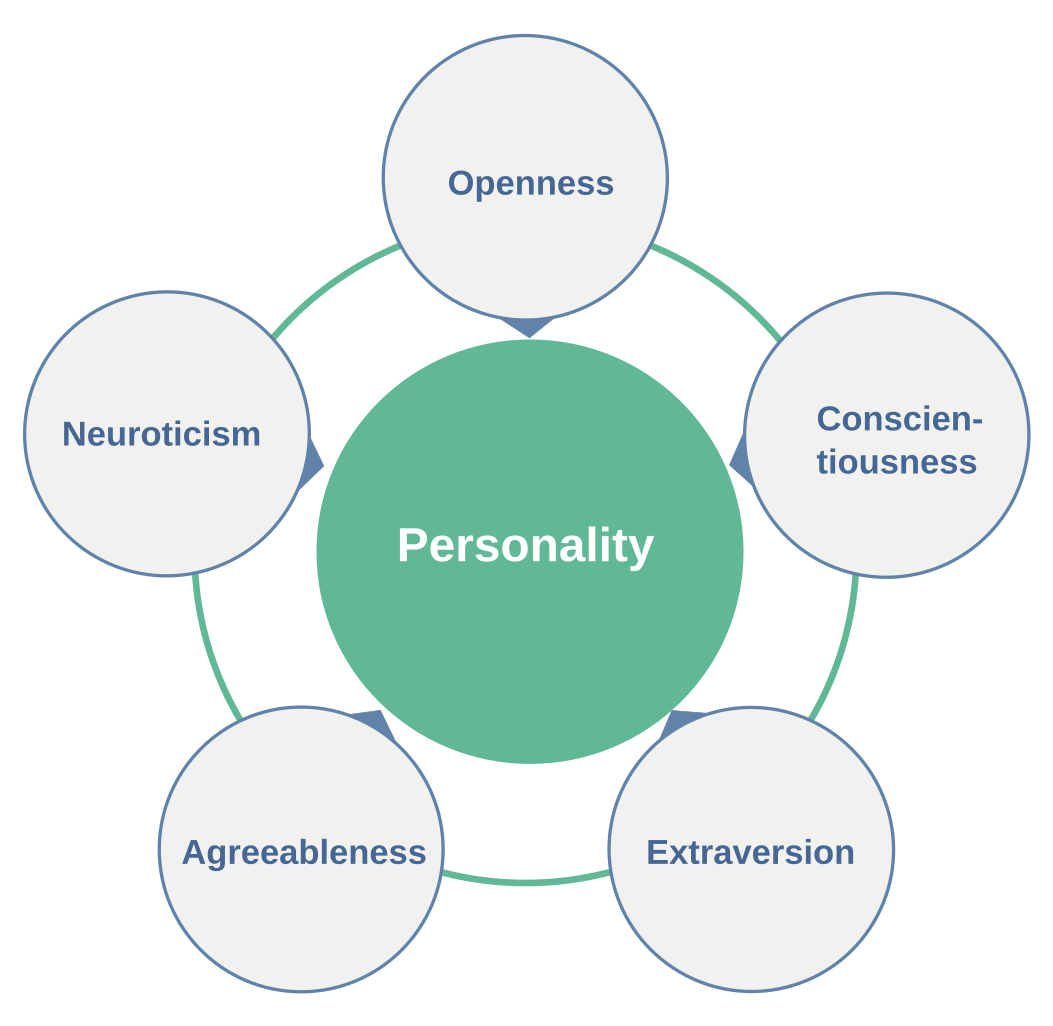
In the quest for self-awareness and personal growth, the Big Five personality traits have become a leading psychological framework for understanding human behavior. At Physiognomy.ai, we’ve integrated this model into our facial analysis service to offer you unique insights into your personality, strengths, and growth opportunities. But what exactly are the Big Five traits, and how do they relate to your facial features?

If you’ve ever found yourself thinking, “I don’t know what I like,” you’re not alone. Figuring out what excites and fulfills you can be challenging, but it’s also an opportunity for self-exploration. By taking thoughtful, deliberate steps, you can start to uncover passions that align with your life and purpose in ways you might not have considered.

When the environment feels suffocating and politics weighs on your every breath, relief can seem out of reach. This blog explores practical steps to reclaim space in your life and shows how Chinese and Western physiognomy can pinpoint the facial features linked to feeling trapped — helping you find a clear path to breathing freely again.

Do you feel like your friend’s words are always aimed at you? Learn what your facial features say about your emotional patterns and discover how practical, personalized face reading solutions can help you let go of sensitivity and regain your confidence.

People keep gossiping about your friendship with a married man—even though it’s completely innocent. Why? Your facial features may be unknowingly projecting intimacy or romantic energy. Learn what Chinese and Western physiognomy say, and how you can reshape perceptions with practical steps.

Do you often feel attacked, even in neutral conversations? The problem might be written on your face—literally. Learn how specific facial features can trigger defensive behaviour and discover how physiognomy.ai can guide you toward lasting change through facial insight.

Do people often say you’re quick to criticize others but avoid self-evaluation? Learn practical solutions to build self-awareness and discover how physiognomy can provide insights into your behavior. Transform your relationships with personalized face-reading reports from Physiognomy.ai.

Feeling isolated after friends emigrate? You can rebuild your social connections practically and effectively. Discover how physiognomy insights—particularly around your eyebrows—can help you understand and improve your relationships.

The fear of being laughed at, or being judged by others, is something many people experience at some point in their lives. This fear can stem from insecurities, past experiences, or a deep concern about how others perceive us. While it’s natural to want to be accepted and respected, constantly worrying about being laughed at can affect your confidence, self-esteem, and mental well-being.

Struggling to interact with others is a common issue that can lead to feelings of isolation and frustration. Whether it’s in social settings or professional environments, not knowing how to engage with people effectively can affect relationships and self-confidence. If you often feel like you’re not sure how to approach or communicate with others, understanding the root causes and developing practical strategies can help you build stronger connections.

Making friends can seem daunting, especially if you're feeling shy, uncertain, or simply don’t know where to start. But building connections doesn’t have to be a struggle. By taking practical, mindful steps, you can naturally develop new friendships and strengthen the ones you already have. Here’s a fresh take on how to expand your social circle.

Being fired and replaced immediately can feel personal—but your value simply wasn’t positioned or visible enough in your company. This article explains practical steps to rebuild your career strength and shows how physiognomy reveals hidden workplace strengths and blind spots.

Do you feel like no one values your expertise, no matter how much you know? The problem may not be your skills but the signals your face and presence send. In both Chinese and Western physiognomy, features such as forehead, brows, and jawline reveal why recognition is blocked — and how to fix it.

Many people dream big but never see those dreams through. The gap between wanting and doing is often tied to both mindset and natural tendencies. In this article, we share targeted strategies to help you focus, build follow-through habits, and explore how physiognomy reveals the facial structures influencing your ability to succeed.

Jealousy can hold you back from achieving your full potential. This article offers practical, specific steps to break the habit and shows how physiognomy — Chinese and Western face reading — can reveal and address the traits linked to envy. Learn to turn comparison into personal progress and confidence.

You want to work, but no one is hiring you. What if your face is sending the wrong message? This blog explores how facial features can influence hiring outcomes and how physiognomy—backed by AI insights—can help you turn things around with simple, practical adjustments.

Do you constantly feel unseen, even though you put in the effort? You may not realize it, but your face could be revealing why. In this blog, we explore how traditional Chinese and Western physiognomy uncover the facial features behind the desire for recognition—and how understanding them can lead to practical, empowering change.

Are you constantly caught in workplace gossip despite staying professional? You may be unknowingly sending signals through your facial structure and expressions. This blog reveals what Chinese and Western physiognomy say about it—and how you can turn things around with real, practical steps.

Afraid of losing your job? You’re not alone. In this blog, we provide actionable steps to manage career anxiety and boost your confidence. Plus, learn how physiognomy can uncover insights from your facial features to help you face workplace challenges head-on.

Experiencing envy when coworkers advance ahead of you is natural, but it can limit your professional and emotional growth. Discover practical tips to overcome workplace jealousy and how physiognomy offers unique insights to manage and transform these emotions effectively.

Are interview nerves holding you back? Your facial features may reveal why. Both Chinese and Western physiognomy provide insights into stress-related traits. Discover how practical adjustments and personalized guidance from Physiognomy.ai can help you conquer interview anxiety and present your most confident self.

Do you feel overwhelmed by work messages invading your personal time? Learn practical strategies to set boundaries, maintain work-life balance, and reclaim your private time. Explore how physiognomy can reveal personal insights, empowering you to communicate better and build a harmonious life.

Discover practical strategies for handling ethical dilemmas at work and learn how physiognomy can provide unique insights into your personality, empowering you to navigate conflicts confidently.

Dealing with a boss who doesn’t provide clear instructions can feel like walking through a maze blindfolded. You’re trying to hit targets, but the rules keep shifting, and the feedback — often critical — leaves you doubting your abilities. This situation can lead to frustration, confusion, and a hit to your confidence. But with the right strategies, you can regain control and even transform this difficult dynamic into a productive working relationship.

Struggling with a request from your boss that doesn't sit right with you? You're not alone, and there are effective ways to handle this situation. This blog offers practical advice on asserting your boundaries and communicating your stance confidently. Plus, uncover how physiognomy can provide unique insights into your personality, empowering you to navigate workplace conflicts and enhance your professional relationships.

Feeling like you’ve hit a bottleneck in your career can be incredibly frustrating. You’re not alone if your job feels more like a rut than a source of growth and satisfaction. Often, financial obligations keep us tied to roles that no longer inspire us, leaving us stuck and unfulfilled. The good news? You don’t need to make drastic moves like quitting your job to improve your situation. With the right strategies, you can find satisfaction and new opportunities while maintaining your financial security.

It’s not uncommon to feel frustrated with a boss who seems to lack leadership qualities. This sentiment often arises when we perceive our leaders as being ineffective, indecisive, or uninspiring. But why do we feel this way, and how can we address this issue in a practical manner?

Being publicly criticized or insulted by your boss can be a deeply unsettling experience. It can affect your confidence, reputation, and even your motivation at work. But why do such situations arise, and how can you handle them in a practical and effective manner? Let’s break this down into actionable steps that can help you regain control and address the issue constructively.
At Physiognomy.ai, we believe that personal growth and career success are deeply connected. By understanding your personality traits through the Big Five (OCEAN) model, we can offer insights not only into your inner world but also into your professional life. That’s why we’ve taken our analysis a step further, using AI to map the Big Five traits to the RIASEC model — a proven framework for career guidance. This innovative approach allows us to provide personalized career recommendations based on your unique personality profile.

It’s not uncommon for leaders or managers to feel frustrated with their subordinates. The feeling that your team members are incompetent or just not getting it can lead to impatience, anger, and even resentment. But where does this perception come from? Is it really your subordinates, or could it be a reflection of something deeper within yourself? Let’s explore why you might have such thoughts and, more importantly, how to resolve them in a practical and specific way.

Workplace stress is a common experience, but managing it effectively can dramatically improve your well-being and productivity. Whether you're dealing with tight deadlines, office politics, or a heavy workload, these actionable strategies will help you regain control and build resilience in a demanding work environment.